
HEPA vs Activated Carbon Filters: The Real Difference Most Buyers Miss
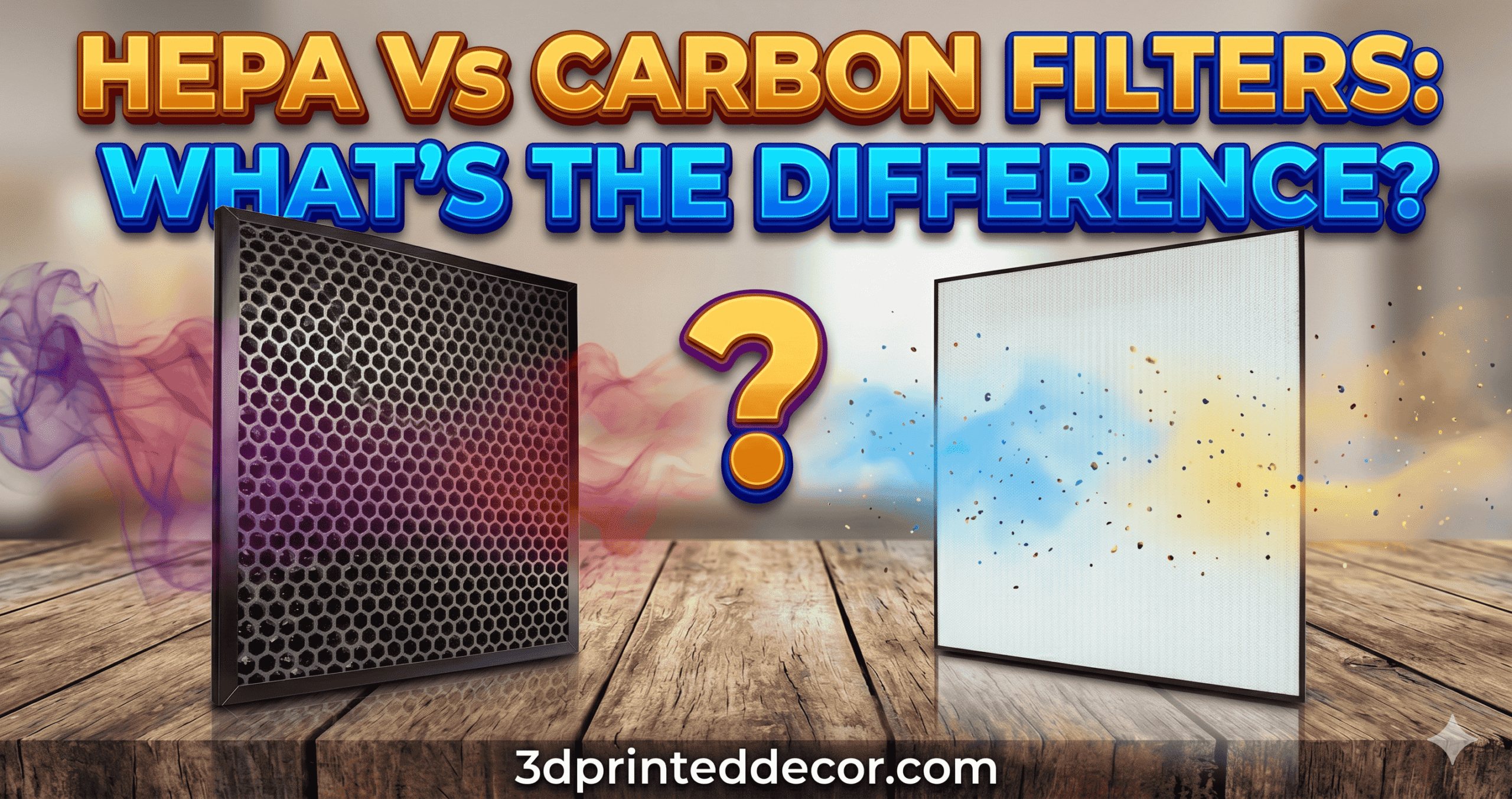
HEPA and activated carbon filters tackle entirely different pollutants — understanding the gap between them changes how you shop for air purifiers.
- Bottom Line These filters do completely different jobs — one handles particles, the other handles gases. You almost certainly need both.
- HEPA Wins At Trapping dust, pollen, mold spores, pet dander, and virus particles — anything physical in the air.
- Carbon Wins At Neutralizing VOCs, formaldehyde, cooking odors, smoke, and chemical vapors — anything gaseous.
- 2026 Value Score HEPA: 9/10 | Carbon: 8/10 | Combined: 10/10
Here is the answer most filter guides bury: HEPA and activated carbon filters target entirely different classes of pollutant. A HEPA filter is physically incapable of removing a VOC molecule. A carbon filter will not stop a dust particle. Running only one of them leaves a significant gap in your indoor air quality.
I run two 3D printers in my workspace — a Creality K1 Max and an Ender 3. FDM printing pumps ultrafine particles (UFPs) and VOCs into the air simultaneously. That reality pushed me to understand exactly how each filter type works, when one fails, and what the real replacement costs look like over a year. Everything in this guide comes from that direct experience.
What Does a HEPA Filter Actually Do?
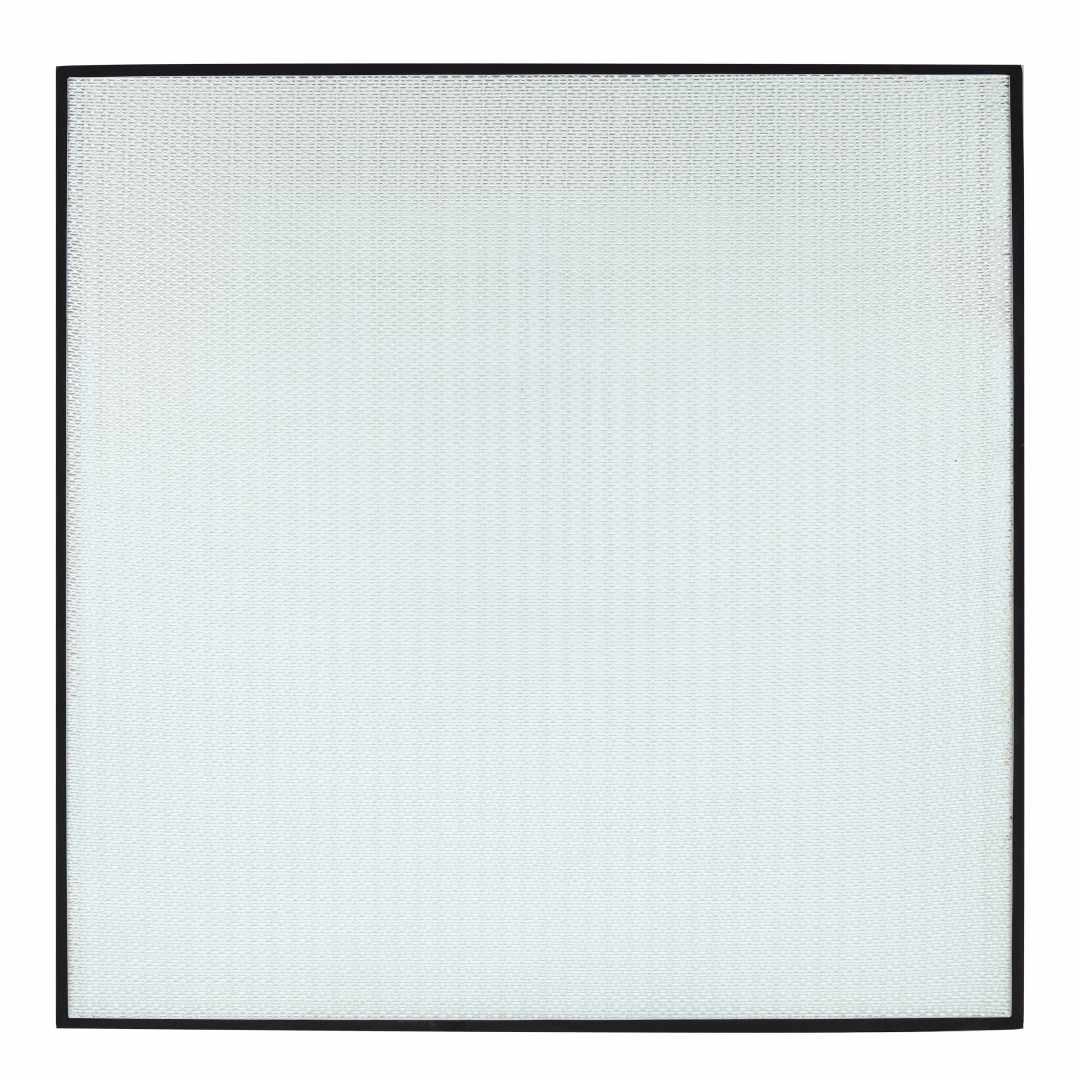
True HEPA filter media — the fine fiber matrix intercepts particles down to 0.3 microns with 99.97% efficiency.
A True HEPA filter physically intercepts airborne particles using a dense mat of randomly arranged fibers. It captures 99.97% of particles sized 0.3 microns or larger — including dust, pollen, mold spores, pet dander, smoke particles, and most airborne viruses. That 0.3-micron figure is actually the hardest size to trap; anything larger or smaller is captured even more efficiently.
The “True HEPA” designation matters. Filters labeled “HEPA-type” or “HEPA-like” haven’t been independently certified to hit that 99.97% threshold and often fall significantly short. Always verify the label says True HEPA before purchasing.
Where HEPA Falls Short
HEPA filters have no mechanism to interact with gas molecules. Formaldehyde, benzene, ammonia, and cooking chemical vapors simply slip between the fibers and pass through unaffected. If you have a gas stove, smoke indoors, or run a resin printer nearby, a HEPA filter alone will not solve your air quality problem.
What Does an Activated Carbon Filter Do?
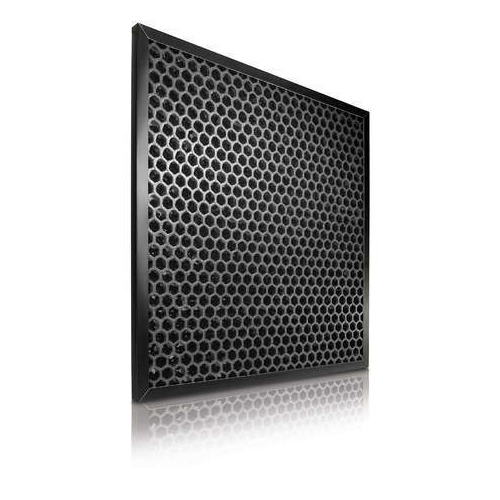
Pellet-based carbon filters contain far more active carbon surface area than thin fibrous carbon sheets — the difference is measurable in VOC adsorption performance.
Activated carbon works through adsorption — a chemical process where gas molecules bond to the enormous surface area inside porous carbon granules. A single gram of quality activated carbon can have a surface area exceeding 500 square meters. That’s what gives it the capacity to lock in VOCs, odors, and chemical vapors.
Carbon filters effectively neutralize formaldehyde, benzene, ammonia, cigarette smoke compounds, cooking fumes, and off-gassing from new furniture or freshly painted walls. For resin 3D printing in particular, the solvent vapors released during UV curing require an activated carbon stage — HEPA alone will not protect you. Our WeCreat AirGuard Ultra review shows what a carbon-first fume extractor looks like in practice.
Pellet Carbon vs. Sheet Carbon: It Matters More Than the Brand
Most budget air purifiers use a thin fibrous mat lightly coated with carbon powder. The actual carbon weight in these is often under 50 grams — enough to handle minor odors for a few weeks, then saturated. Pellet-based carbon filters contain actual granular carbon media, often 200–500 grams or more, and deliver meaningfully longer service life and stronger VOC adsorption.
When comparing purifiers for VOC-heavy environments, check the listed carbon weight. If the spec sheet doesn’t mention it, assume it’s a thin sheet filter. That’s the single most important spec most buyers miss.
HEPA vs. Carbon Filter: Full Feature Comparison
| Feature | True HEPA Filter | Activated Carbon Filter | Winner | Why It Won |
|---|---|---|---|---|
| Particle Removal | 99.97% of particles ≥0.3µm | Does not capture particles | HEPA | Carbon has no physical mechanism to trap dust, pollen, or dander |
| VOC / Gas Removal | None — gases pass through | Adsorbs formaldehyde, benzene, ammonia, smoke compounds | Carbon | HEPA fiber structure cannot interact with molecular-level pollutants |
| Odor Neutralization | Minimal — only traps odor-carrying particles | Excellent for smoke, cooking, chemical smells | Carbon | Odors are gas-phase; adsorption is the only relevant mechanism |
| Allergy Relief | Excellent — captures pollen, dander, mold spores | No effect on allergen particles | HEPA | Common allergens are particulates in the 1–100µm range — HEPA’s specialty |
| Filter Lifespan | 6–12 months (typical residential use) | 3–6 months (varies with VOC load) | HEPA | Carbon saturates faster; once pores fill, adsorption stops completely |
| Annual Filter Cost | $20–$80 per replacement | $15–$50 per replacement (2–4x per year) | HEPA | Carbon’s higher replacement frequency raises annual spend significantly |
| Washable / Reusable | No — washing destroys fiber structure | No — saturation is permanent, washing doesn’t restore capacity | Tie | Neither filter type can be cleaned; only pre-filters are washable |
| 3D Printing Workspace | Essential — captures UFPs from FDM printing | Essential — neutralizes VOCs from filament and resin | Both Required | FDM and resin printing simultaneously produce both particle and gas-phase threats |
Who Actually Needs Each Filter Type?
You Need HEPA If You Have:
Allergies or asthma — HEPA is non-negotiable here. Dust mites, pollen, pet dander, and mold spores are all particulates in the 1–100 micron range. A True HEPA filter captures them before they reach your airway. Our top-rated HEPA purifiers for mold and allergens guide covers the best models tested for this specific need.
You Need Carbon If You Have:
A gas stove, indoor smoker, newly painted rooms, fresh furniture, or a resin 3D printer. All of these release gas-phase compounds that travel straight through a HEPA filter. If you live near a highway or industrial area, carbon filtration is also essential for capturing vehicle exhaust compounds that migrate indoors.
You Need Both If You Have:
A 3D printing workspace, pets, or a typical home with cooking activity. Most modern air purifiers combine both stages — HEPA first to capture particles, then carbon to adsorb gases. When the two run together, they provide full-spectrum protection for 3D printing environments where both UFPs and VOCs are present simultaneously.
The Reality of Long-Term Ownership
Maintenance & Wear: What Nobody Tells You
HEPA filters give you a visible signal — they turn gray or black as they load with particles. Carbon saturation is invisible. The only reliable way to know your carbon filter is spent is the “smell test”: hold the filter near your nose after running the purifier for a session. If you detect a stale chemical or sour odor on the filter itself, it’s past capacity and recirculating rather than adsorbing.
I learned this the hard way with my K1 Max enclosure purifier. The HEPA still looked serviceable, but the VOC monitor was reading elevated formaldehyde levels. The carbon had quietly saturated about 3 weeks earlier — I just hadn’t noticed.
Hidden Costs: The True Annual Spend
Cheap budget purifiers often advertise low sticker prices but use proprietary filter cartridges that cost $40–$60 each and need quarterly replacement. Calculate the 2-year total cost — filter hardware included — before buying. Our air purifiers under $300 guide factors in filter replacement costs for exactly this reason.
Power consumption is another overlooked expense. Running a purifier continuously at medium speed typically adds $8–$18 per month to your electricity bill, depending on wattage. Over two years, that often exceeds the filter cost.
The Tinkerer’s Hack: DIY Carbon Top-Up
If your purifier uses a carbon filter with a mesh or fabric carrier (rather than sealed pellets), you can extend its effective life by purchasing bulk food-grade activated carbon pellets and carefully adding them to the filter housing. This costs about $12 per pound vs. $30–$50 for OEM replacements. It’s not endorsed by manufacturers, but it’s a practical option many experienced air purifier users apply. Check that the carbon grade is rated for air use (not aquarium grade, which differs in pore structure) before attempting this.
HEPA vs. Carbon for 3D Printing — What the Data Shows
FDM printing releases two distinct threat categories simultaneously. At temperatures above 200°C, filament polymers break down and release ultrafine particles (UFPs) — often smaller than 0.1 microns — alongside VOCs including styrene (ABS), caprolactam (Nylon), and various aldehydes. HEPA captures the UFPs; carbon handles the VOCs. Neither alone provides adequate protection.
Resin printing is more aggressive. Uncured resin vapors and photoinitiator off-gassing require a heavy-duty pellet carbon filter, ideally with 1–2 lbs of carbon media. A thin sheet carbon filter will saturate within days in a resin printing environment. For enclosure-based setups, see our 3D printing safety gear guide for enclosure filter recommendations.
Frequently Asked Questions
HEPA filters physically trap airborne particulates — dust, pollen, mold spores, viruses — down to 0.3 microns. Carbon filters adsorb gas-phase pollutants including VOCs, formaldehyde, smoke odors, and benzene. Gases pass through HEPA; particles pass through carbon. The two filters solve entirely different problems.
For most homes, yes. Unless you live in an environment with zero gas-phase pollutants (no cooking, no cleaning products, no pets, no outdoor pollution), running both filter types provides coverage that neither delivers alone. Most quality air purifiers now include both stages by default.
True HEPA filters typically last 6–12 months under normal residential use. Carbon filters need replacement every 3–6 months, or sooner in high-VOC environments. Homes with heavy cooking, pets, or 3D printers will see carbon filters saturate faster than the baseline estimate.
HEPA is the correct choice for allergies. Pollen, dust mites, pet dander, and mold spores are all particulates — exactly what True HEPA captures. Always verify the filter is certified True HEPA, not merely “HEPA-type,” which hasn’t been independently tested to the same standard.
Neither. Washing a HEPA filter collapses the fiber structure, permanently reducing its filtration efficiency. Washing carbon does nothing — once the pores are saturated, adsorption capacity cannot be restored. Only pre-filters (the coarse mesh stage before HEPA) are designed to be cleaned and reused.
You need both. FDM printing releases UFPs that a HEPA filter captures. Resin printing and filament off-gassing release VOCs that require an activated carbon stage — ideally pellet-based with substantial carbon weight (at least 200g for a desktop purifier). A combined setup is the minimum recommended baseline for any enclosed printing space.
Final Verdict: Use Both, Choose Them Carefully
Verified Conclusion
HEPA and activated carbon filters are not competing technologies — they’re complementary. HEPA handles the physical world of particles. Carbon handles the chemical world of gases. Framing it as a choice between the two is the wrong question.
The smarter questions are: How much carbon does your filter actually contain? Is it a pellet-based media or a thin coated sheet? And does your purifier’s CADR match the square footage of the room it’s cleaning? Those three variables will determine whether your setup works or just looks like it does.
For a 3D printing workspace or any home with both particle and chemical pollution concerns, look for purifiers that combine True HEPA with substantial pellet-based carbon. Our tested recommendations are in the best air purifiers for 3D printing workspaces guide.
If you have questions about your specific setup, drop them in the comments below.
Related posts:
 The Levoit Core 200S-P Smart Air Purifier: A Comprehensive In-Depth Analysis for Bedrooms and Small Spaces
  WECREAT AirGuard Ultra Fume Extractor Review 2026: I Tested It for 6 Weeks (Here’s the Truth)
  Blueair 211i Max vs 311i Max Air Purifiers: Which One Should You Actually Buy in 2026?
  AirDoctor AD5500 vs AD5500i (2026): Which One Actually Cleans Your Air Better?
  Amazon Smart Air Quality Monitor for 3D Printers to Breathe Easy
  Pureborne PB6866 Air Purifier Review: Is This 2800 Sq Ft HEPA Monster Worth Your Money?
  Breathe Easy: Top 9 Air Purifiers Under ₹15,000 for a Healthier Home in India
  Cyber Monday Smart Home Deals for 3D Printing
  MOOKA B-D02L Air Purifier Review 2026: The Best Budget HEPA for Large Rooms?
  Air Oasis iAdaptAir 2.0 Air Purifiers: S vs M vs L vs P – Which Size Do You Really Need?
  PuroAir Air Purifiers: 99.9% Cleaner Air in 60 Minutes (2026 Test Results)
  Blueair Blue Pure 511i Max vs 311i Max Review 2026: Which One Is Actually Worth It?